Wisdom Teeth Extraction: When Is It Needed and What to Expect
Wisdom Teeth Extraction: When Is It Needed and What to Expect
Introduction
I’m Dr. Shameem Jamal, an Oral & Maxillofacial Surgeon. Wisdom teeth are among the most common concerns patients bring to me. Many people feel anxious about having them removed, usually because of stories they’ve heard. In this post I’ll explain what wisdom teeth are, when they need to come out, and what the process and recovery look like, so you know what to expect.
What are wisdom teeth?
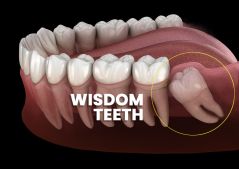
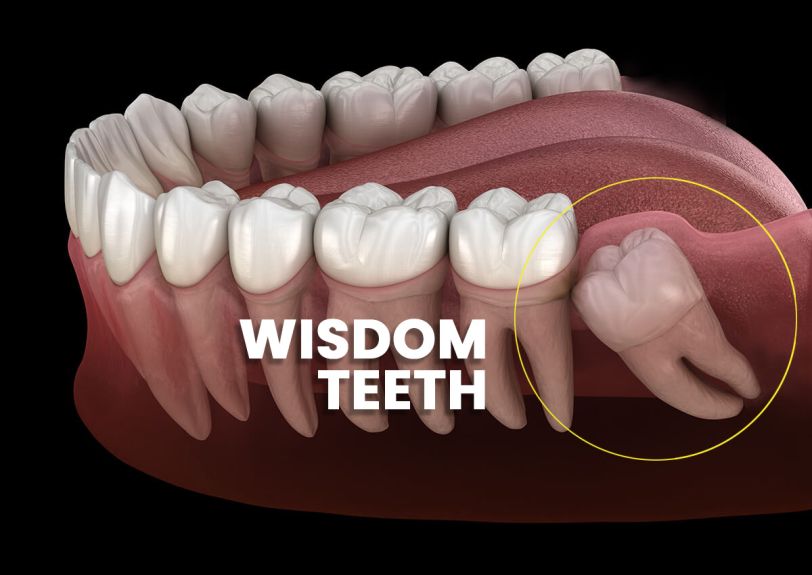
Wisdom teeth, or third molars, are the last four teeth to appear, usually between the late teens and mid-twenties. They sit at the very back of the mouth, top and bottom. Many jaws don’t have enough room for them, so they can come in at an angle, only partly emerge, or stay trapped under the gum or bone. This is called impaction.
Do all wisdom teeth need to be removed?
No. A wisdom tooth that has come in fully, is healthy, and can be cleaned properly with brushing and flossing can often be left alone. I recommend extraction when a tooth is causing, or is likely to cause, problems such as:
- Repeated pain, swelling, or infection of the gum around the tooth (pericoronitis)
- Decay in the wisdom tooth or in the tooth in front of it, because food and plaque get trapped
- Damage to the neighbouring molar from a tooth pressing against it
- Cysts or other changes in the bone around an impacted tooth
- A tooth that cannot be reached for cleaning, or one that is in the way of planned orthodontic or restorative treatment
Every mouth is different. That is why I decide based on a clinical examination and an X-ray, and in complex cases a 3D scan, rather than a blanket rule.
Why a proper assessment matters
Lower wisdom teeth often sit close to the nerve that supplies feeling to the lower lip and chin, and near the nerve that serves the tongue. Imaging lets me see exactly how the roots relate to these structures, so I can plan the safest approach and explain the risks clearly before we begin.
How is a wisdom tooth removed?
- Anaesthesia: The area is fully numbed with local anaesthetic. For anxious patients or more complex cases, sedation can be discussed.
- The procedure: A simple extraction for a tooth that has fully erupted is quick. An impacted tooth may need a small opening in the gum, and sometimes the tooth is divided into sections so it can come out gently and with minimal bone removal.
- Closing: The area is cleaned and stitches are placed if needed. You then bite on gauze to control bleeding.
You should not feel pain during the procedure, only some pressure.
What to expect during recovery
Most patients feel the most discomfort and swelling in the first two to three days, then improve steadily over the following week. Complex impacted teeth can take a little longer to settle. Here is what helps:
- Protect the blood clot. The clot that forms in the socket is the foundation of healing. Avoid vigorous rinsing and spitting, drinking through a straw, and touching the area for the first day or two.
- No smoking or nicotine. Smoking is one of the biggest risk factors for poor healing.
- Cold compresses. Apply them to the cheek in the first day or two to limit swelling.
- Soft, cool foods at first. Avoid hot, hard, or spicy foods until the area is comfortable.
- Keep your mouth clean. Brush your other teeth as normal and be gentle around the extraction site. I will advise you on when to start gentle salt-water rinses.
- Take medication as prescribed. Follow the instructions I give you.
- Rest. Avoid strenuous exercise for a few days.
What is dry socket?
Dry socket happens when the blood clot is lost too early and the bone in the socket is exposed. It affects a small percentage of patients and is more common after lower wisdom tooth removal. The typical sign is pain that gets worse a few days after surgery instead of better, often with a bad taste or smell. It is easy to treat. If you suspect it, contact us and we will clean the socket and place a soothing dressing, which usually brings quick relief.
When to contact us right away
Call us promptly if you have:
- Bleeding that does not slow after 30 minutes of firm pressure with clean gauze
- Fever, or pain and swelling that increase after the third day
- Difficulty opening your mouth, swallowing, or breathing
- Ongoing numbness of the lip, chin, or tongue
Difficulty breathing or swallowing, or swelling spreading to the neck, is an emergency and needs immediate medical attention.
Final thoughts
Wisdom teeth removal is a routine procedure, and the better you understand it, the less stressful it feels. If you have pain, swelling, or you’ve been told your wisdom teeth may be a problem, a proper assessment is the first step. I’ll examine your teeth, review your X-rays, and give you honest advice on whether removal is necessary and what approach suits you best.
Book a consultation with Dr. Shameem Jamal at Promise Dental Center.
Call or WhatsApp: 5094 3440
This article is for general information and is not a substitute for a personal examination. Treatment decisions should be made after consultation with your oral surgeon.